
Element. Excellence in Every Part
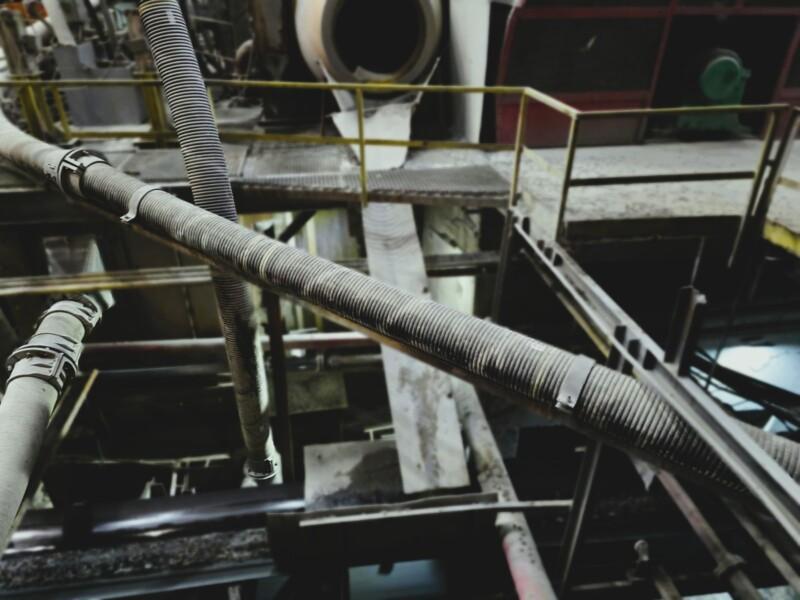
Slurry Hoses.
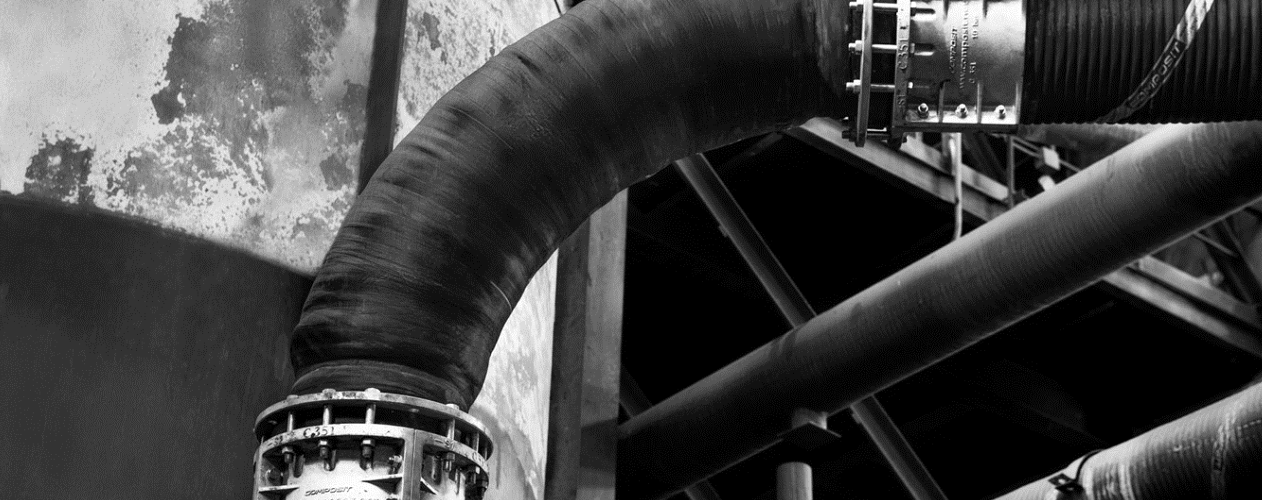
Slurry hoses, rubber-lined pipes, and bends are subjected to constant abrasive wear as they move process material between mills, pumps, and hydrocyclones, and an unplanned line failure can bring the affected section of a plant to a stop just as quickly as a failed pump or crusher liner.
Element manufactures slurry hoses, rubber-lined steel pipe, and matching bends and fittings engineered for maximum durability in the toughest slurry-handling conditions, offered as flexible hose, flanged hose, and rubber-lined steel pipe configurations to suit highly abrasive, moderate, and chemically demanding duty from DN50 up to DN1380 mm. Flexible and easy to install, often requiring only basic tools for setup, Element hoses give plants a wear-resistant alternative to rigid steel pipe wherever abrasive slurry needs to be moved, without sacrificing service life.
Our product range
Flexible Hose with Coupling
| Minimum length | Up to 11,8 m |
| Inner diameter | Up to 610 mm |
| Vacuum pressure | Up to 0,8 Bar |
| Wear-resistant layer thickness | Up to 15 mm |
| Working pressure | Up to 10 Bar |
| Bend radius | Up to 3D |
For high-abrasive slurry applications
Flanged Hose
| Minimum length | Up to 11,8 m |
| Inner diameter | Up to 1020 mm |
| Vacuum pressure | Up to 0,8 Bar |
| Wear-resistant layer thickness | Up to 25 mm |
| Working pressure | Up to 25 Bar |
| Bend radius | Up to 10D |
For moderate or lighter slurry applications
Rubber-Lined Steel Pipe
| Minimum length | Up to 10 m |
| Inner diameter | Up to 1380 mm |
| Vacuum pressure | Up to 0,8 Bar |
| Wear-resistant layer thickness | Up to 25 mm |
| Working pressure | Up to 40 Bar |
For chemical resistance and high-pressure
Rubber Bend, Long-Radius Rubber Bend, Rubber-Lined Steel Bend
| Inner diameter | Up to 820 mm |
| Vacuum pressure | Up to 0,8 Bar |
| Wear-resistant layer thickness | Up to 20 mm |
| Working pressure | Up to 16 Bar |
| Bend Radius | From 1,5D |
Materials
Our hoses are manufactured with a wear-resistant inner lining made from high-grade natural rubber, neoprene, or chloroprene, tailored to withstand the specific abrasiveness and chemical composition of the slurry.
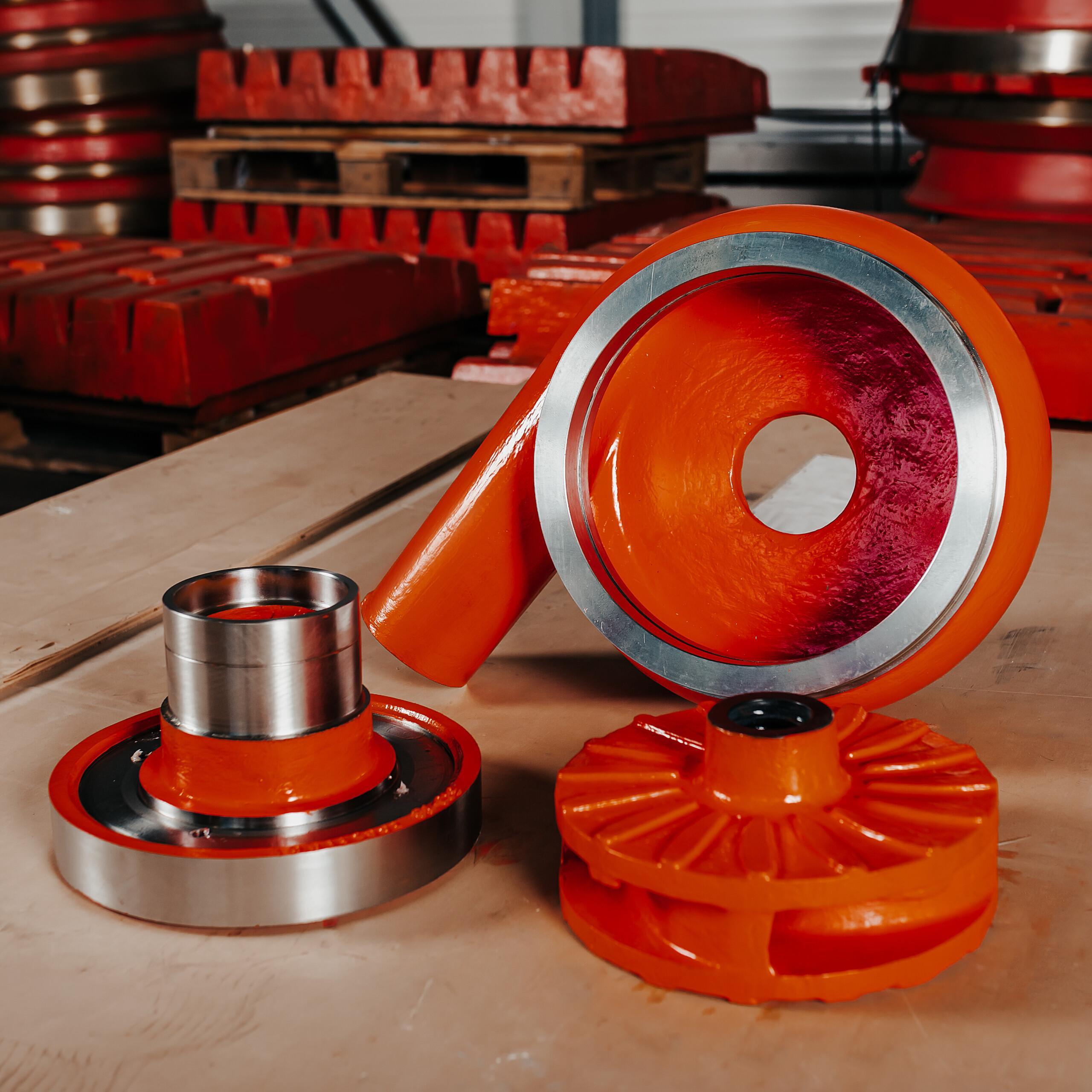
WHITE CAST IRON
WHITE CAST IRON GRADE AR27
Wear-resistant white cast iron alloy with high erosion resistance, provided by the hard carbides in its microstructure. It operates across a wide pH range of 5 to 14.
Standards: Class IIIA ASTM A532
Hardness (HBW): 650 min
Heat treatment: High-temperature heat treatment
Microstructure: Martensitic matrix with Fe/ CR carbides, austenite
The carbide content (%): >22
Applications: slurry pump spares, various castings that are subjected to extremely high abrasion and no-impact working conditions.
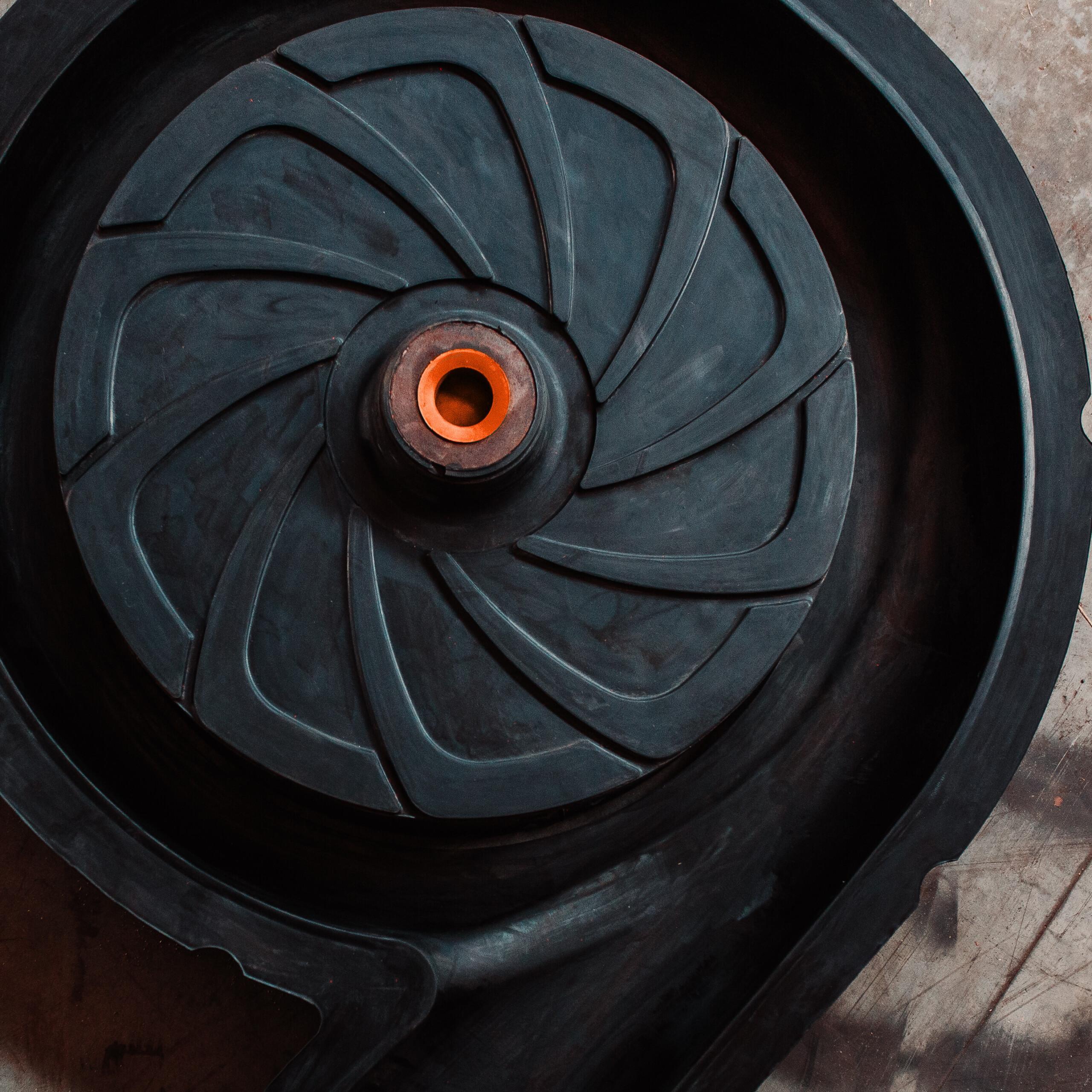
SYNTHETIC MATERIALS
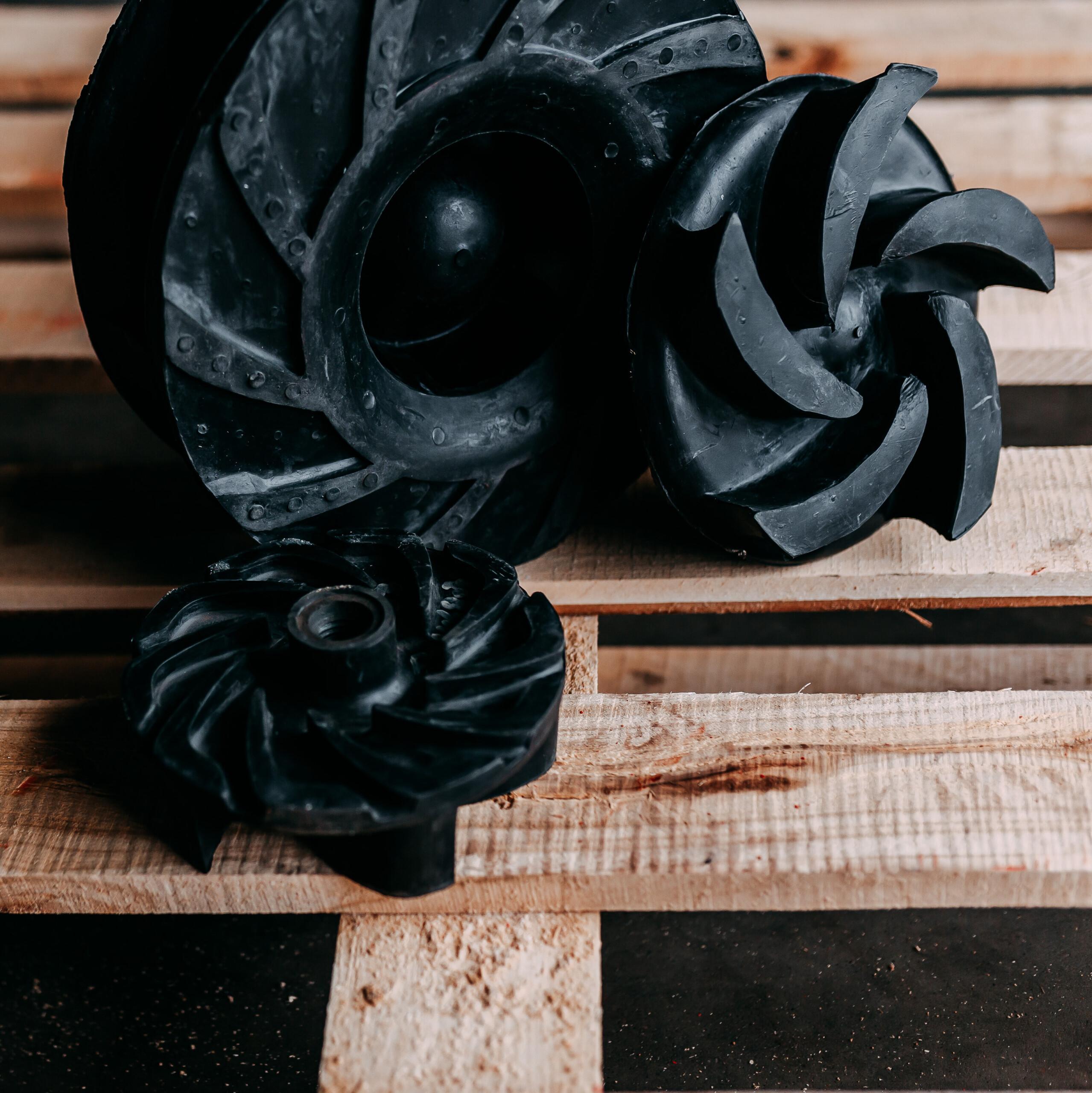
NATURAL RUBBER GRADE ER50
Excellent wear resistance against erosion, particularly with fine rather than coarse slurry particles. Widely used in mill discharge and throughout the mineral processing circuit.
Standards: Element ME QP-09
Hardness (Shore A): 50±5
Wear resistance: High
Chemical resistance: Medium
Max. operating temperature (°C): 70
Applications: case liners, impellers, inlet liners, and back liners
SYNTHETIC MATERIALS
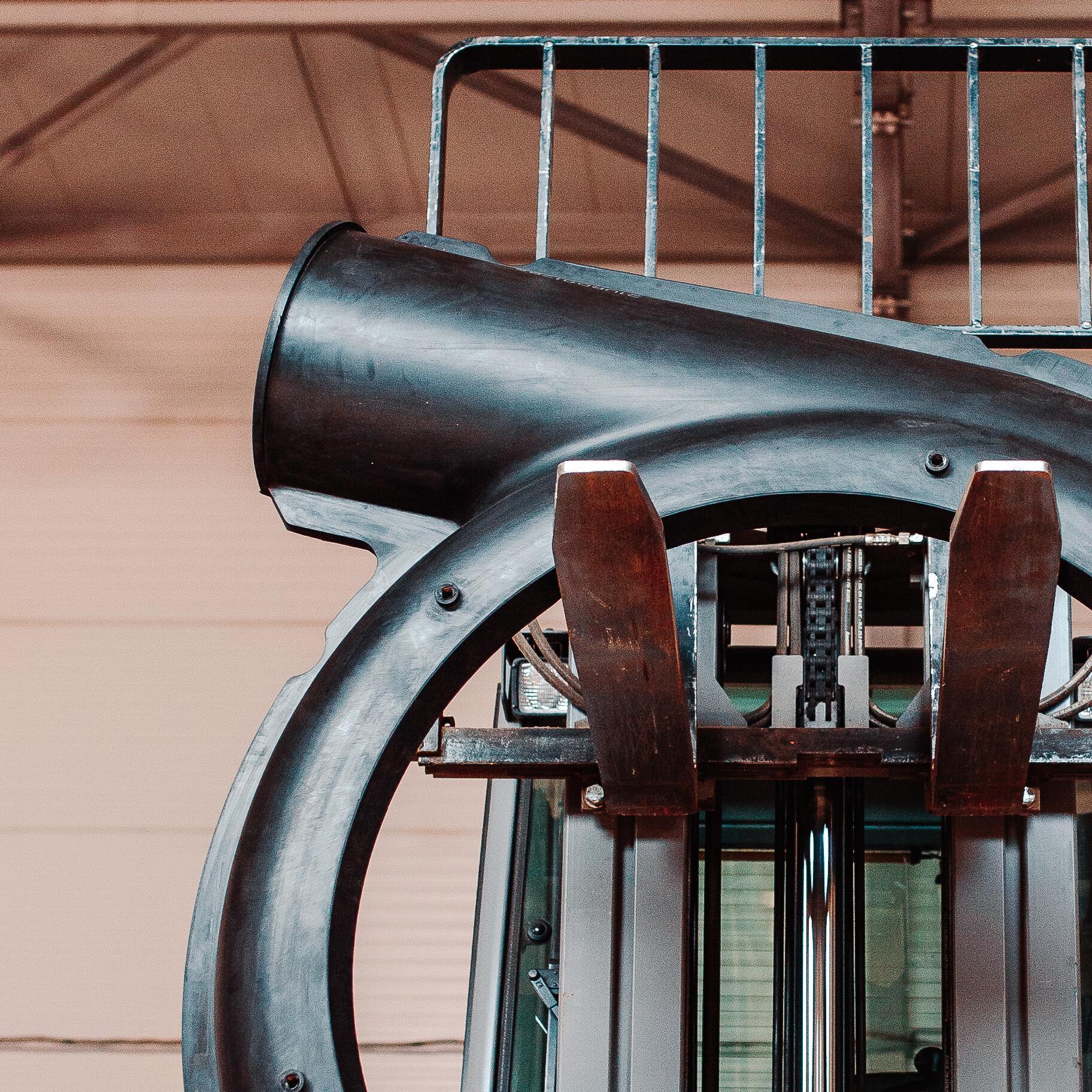
EPDM RUBBER
Acid- and ozone-resistant synthetic material with medium abrasion resistance. A non-polar elastomer offering unique chemical resistance for specialized applications. Operates across a pH range of 1 to 14.
Standards: Element ME QP-09
Max. operating temperature (°C): 120
Max. Particle size (mm): 8
Max. Tip speed (m/sec): 25
Applications: case liners, impellers, inlet liners, and back liners
SYNTHETIC MATERIALS
NITRILE RUBBER
Moderate abrasion resistance. Commonly used with fats, oils, hydrocarbons, and waxes.
Standards: Element ME QP-09
Max. operating temperature (°C): 95
Max. Particle size (mm): 7
Max. Tip speed (m/sec): 27
Applications: case liners, impellers, inlet liners, and back liners
Advantages of Element’s slurry hoses




Hose selection criteria
MATERIAL COMPATIBILITY
Chemical resistance
Ensure the hose material is compatible with the slurry’s chemical composition to prevent degradation.
Abrasion resistance
Slurry hoses often carry abrasive materials, so select materials that resist wear, for example rubber with reinforced lining.
HOSE DIAMETER AND SIZE
Inner diameter
Must match the flow requirements. Too small can cause pressure build up, and too large can reduce velocity.
Outer diameter
Consider compatibility with fittings and space constraints.
APPLICATION-SPECIFIC REQUIREMENT
Highly abrasive applications
Moderate or lighter applications
Chemical resistance and high-pressure applications
PRESSURE RATINGS
Check the maximum working pressure of the hose to ensure it can handle the slurry flow without bursting or leaking.
FLEXIBILITY AND WEIGHT
Flexibility affects ease of
installation and maneuverability.
Lighter hoses are easier to
handle but must still meet
strength requirements.
FITTINGS AND COUPLINGS
Ensure compatibility with hose ends and ease of connection and disconnection. Some hoses may require specialised fittings for secure attachment.
INDUSTRY STANDARDS
Look for hoses that meet relevant industry standards and certifications, for example ASTM and ISO.
Customer Cases
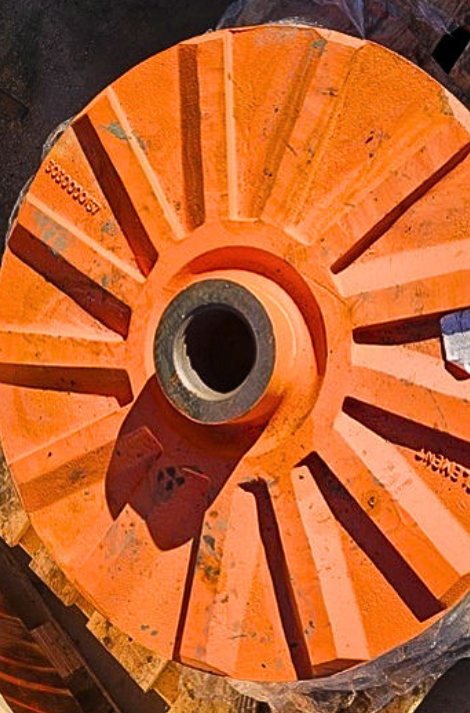
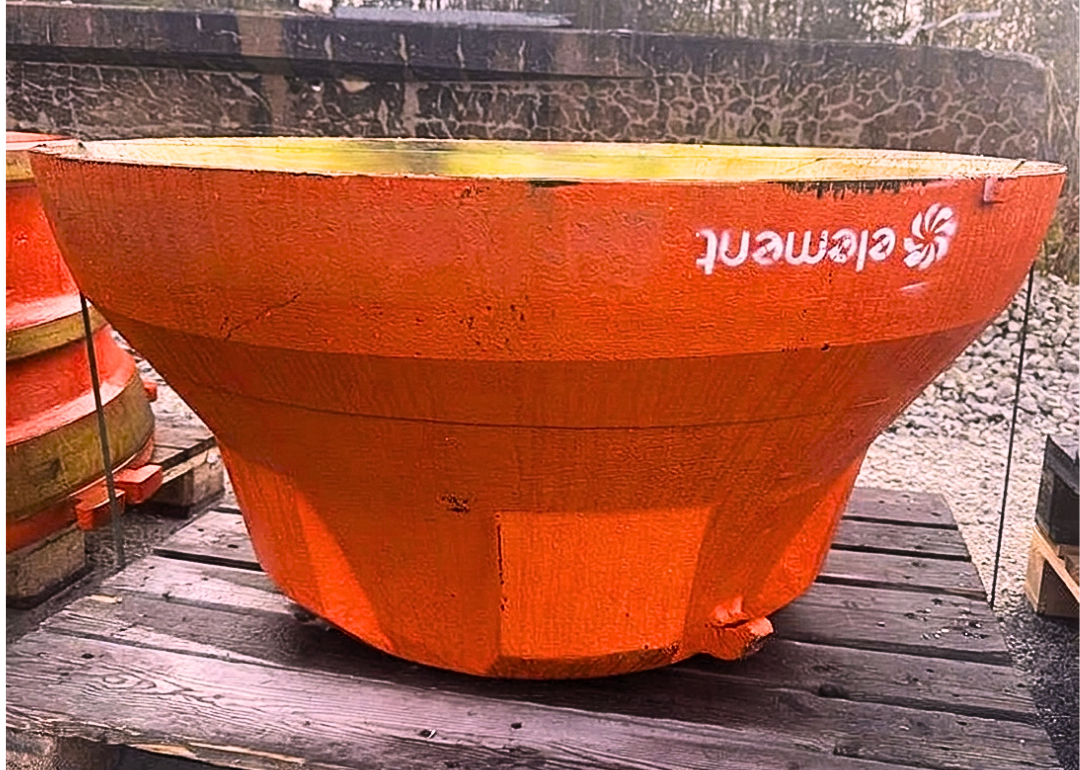
Element provides a bespoke project design service in cases where customers require the upgrade of spare part patterns which are currently in operation. To request an individual project, please download and fill in our question list.

Product support.
In addition to supplying spare parts, our company also gladly takes on complex cases and tailor-made developments as per customer requirements. We thoroughly study the technical and technological parameters of equipment operation, analyze wear of wet-end parts, and can offer optimized solutions to meet customer requirements
Contact us
Whether you have questions, inquiries, or require support, we are ready to provide the assistance you need. Reach out to us today and let us know how we can help.
"*" indicates required fields